
Why False Albacore Can Be So Difficult to Catch: Let the Fish Dictate the Presentation
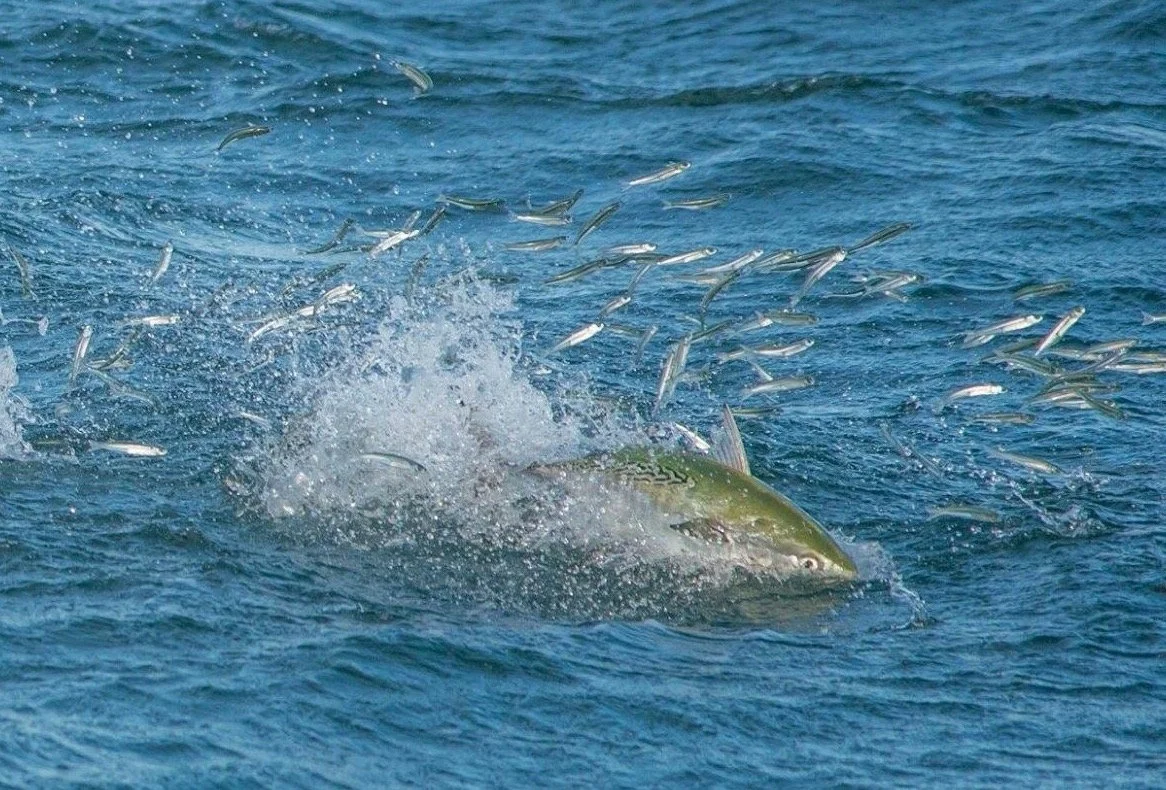
When albies erupt on bait, the chaos can make the obvious cast surprisingly ineffective.
I've been fishing for false albacore for more than 30 years, and I've encountered plenty of days when catching these fish can be extremely frustrating.
You can see them feeding.
The water is erupting.
Bait is scattering.
Fish are slashing through the school.
You make what seems like a perfect cast—and nothing happens.
These are the days when false albacore can humble even an experienced angler. But I've also come to believe that these difficult days teach us the most.
When the fish aren't eating, you have to become more observant and be willing to change your presentation and technique.
Too often, we get stuck on a particular lure, color, or retrieve. Perhaps it worked yesterday. Perhaps it caught a fish earlier in the morning. We continue making the same cast and using the same retrieve, expecting the fish to eventually cooperate.
False albacore have taught me that this is often a mistake.
The fish should dictate the presentation.
Stop Chasing the Feed
One of the most common mistakes I see in albie fishing happens before the angler ever makes a cast.
A school of false albacore erupts on the surface, and immediately boats accelerate toward the feed. Anglers rush to the bow and begin casting madly into the froth, hoping to hook a fish before the school disappears.
Occasionally, this works.
More often, I watch the school go down.
False albacore are fast, alert fish. Driving rapidly into a feeding school creates engine noise, propeller disturbance, and pressure from the boat. The fish may disappear from the surface and move completely out of the area.
I've found that a more stealthy approach is usually far more effective.
Before I move the boat, I watch the fish.
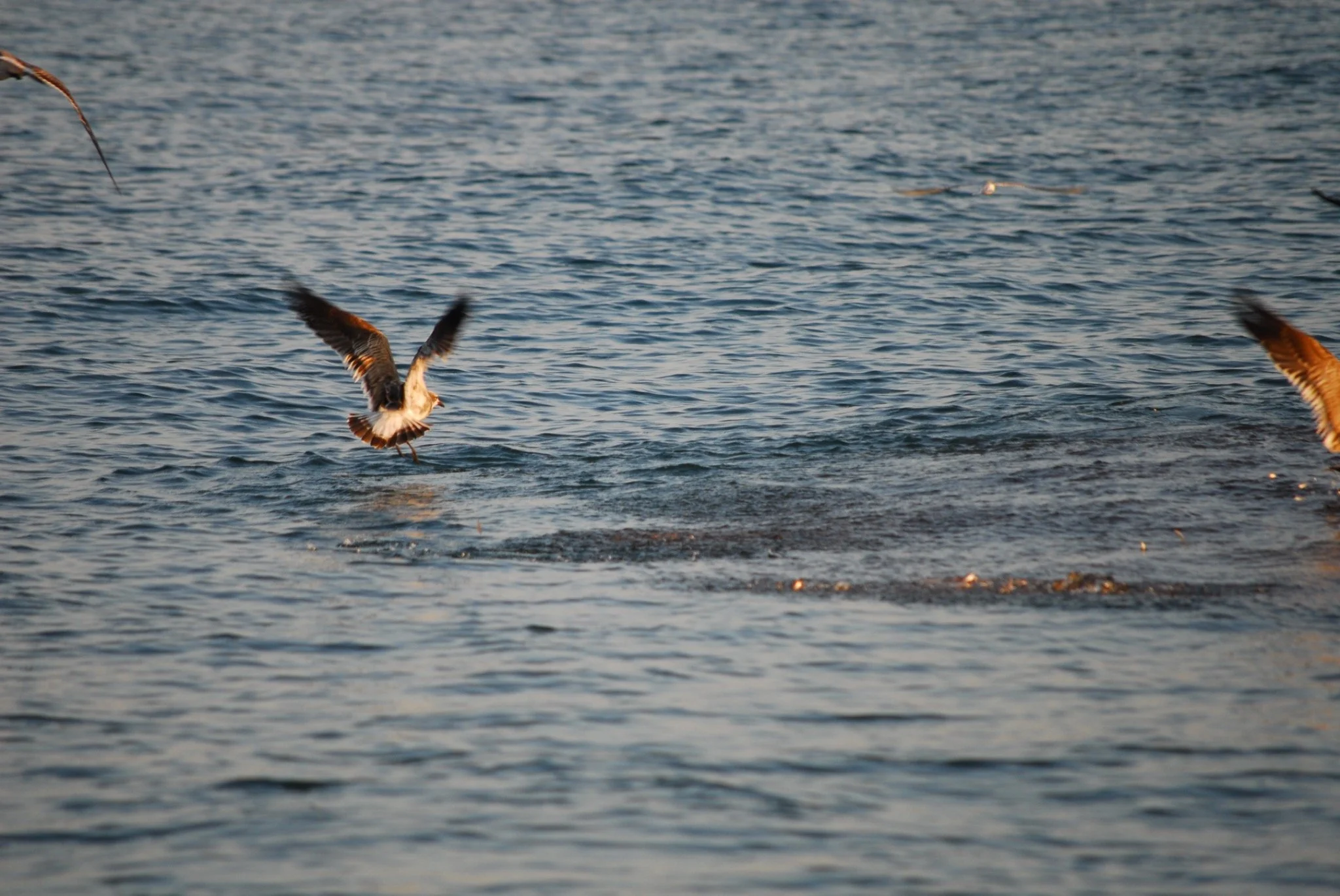
Birds often reveal the feed, but understanding how the bait and fish are moving is what creates the opportunity.
Which direction are they traveling?
Are they moving consistently along a current line?
Are they feeding in a relatively small area?
Are they pushing bait toward a shoreline, rip, or other structure?
Rather than chasing the fish from behind, I try to anticipate where they're going.
My goal is simple: get ahead of the school and let the fish come to me.
Once I'm in position, I'll come out of gear. Depending on the situation, I may even turn the engines off.
One thing I strongly recommend avoiding is aggressively reversing the engines near feeding albies. Reverse can produce tremendous propeller cavitation and underwater noise. In my experience, that disturbance can quickly put a school down.
The quieter the boat, the better.
FIELD NOTE
Don't cast to where the albies were. Position yourself for where they're going.
A feeding school can move surprisingly fast. Chasing a splash—even one from only a few seconds ago—often leaves you behind the fish. Watch their direction of travel, get ahead of them, come out of gear, and let the opportunity develop.
Where You See Them Is Where They Were
On those days when I'm having particular difficulty hooking an albie, I spend more time watching the pattern of the feed.
False albacore don't always move randomly.
Often, I'll see the fish develop a somewhat circular feeding pattern. They'll feed through a particular area, move away, and then circle back—often returning into the tide as bait is carried toward them.
Once I recognize that pattern, I stop chasing individual eruptions.
Instead, I try to position the boat uptide of the feeding fish and allow the bait, the current, and eventually the albies to come toward me.
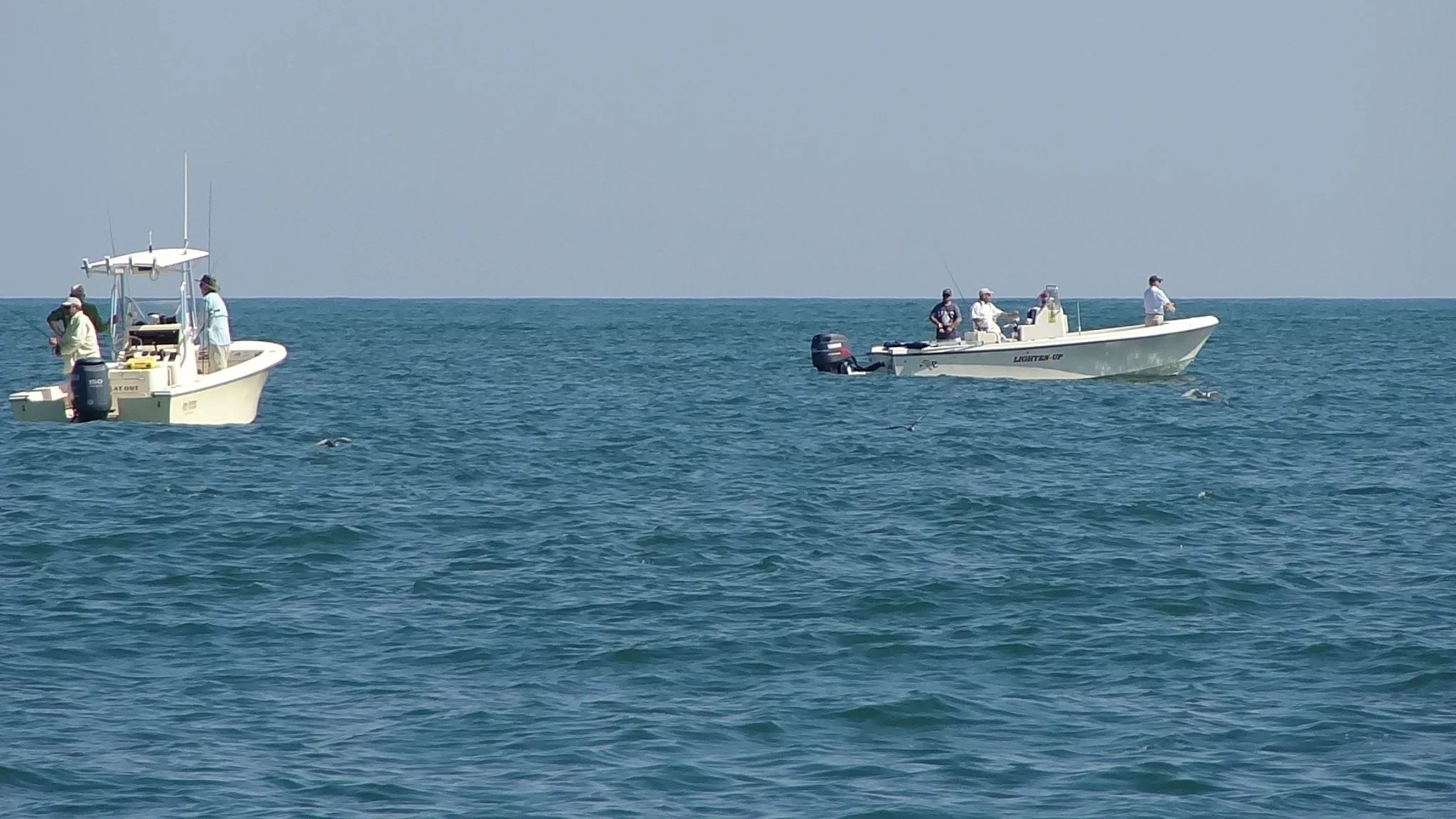
Boat position matters. Chasing a moving school is often less effective than anticipating where the fish are headed.
Presentation angle is important.
Whenever possible, I want my lure to look like a baitfish moving away from the feeding albies. I don't necessarily want to retrieve the lure directly at a rapidly approaching fish. I want to place the lure ahead of the school and give the fish something that appears to be escaping.
There is a simple concept I try to remember when fishing for albies:
Where you see them is not where they are. It's where they were.
False albacore are extraordinarily fast.
By the time you see the surface erupt, recognize the feed, and begin your cast, the fish may already have moved well beyond the visible disturbance.
That's why casting directly into the center of the splash is so often unsuccessful.
When I'm watching a rapidly moving school, I try to cast ahead of the fish. The faster they're moving, the farther ahead I'll place the lure.
The goal is to intercept the school rather than chase it.
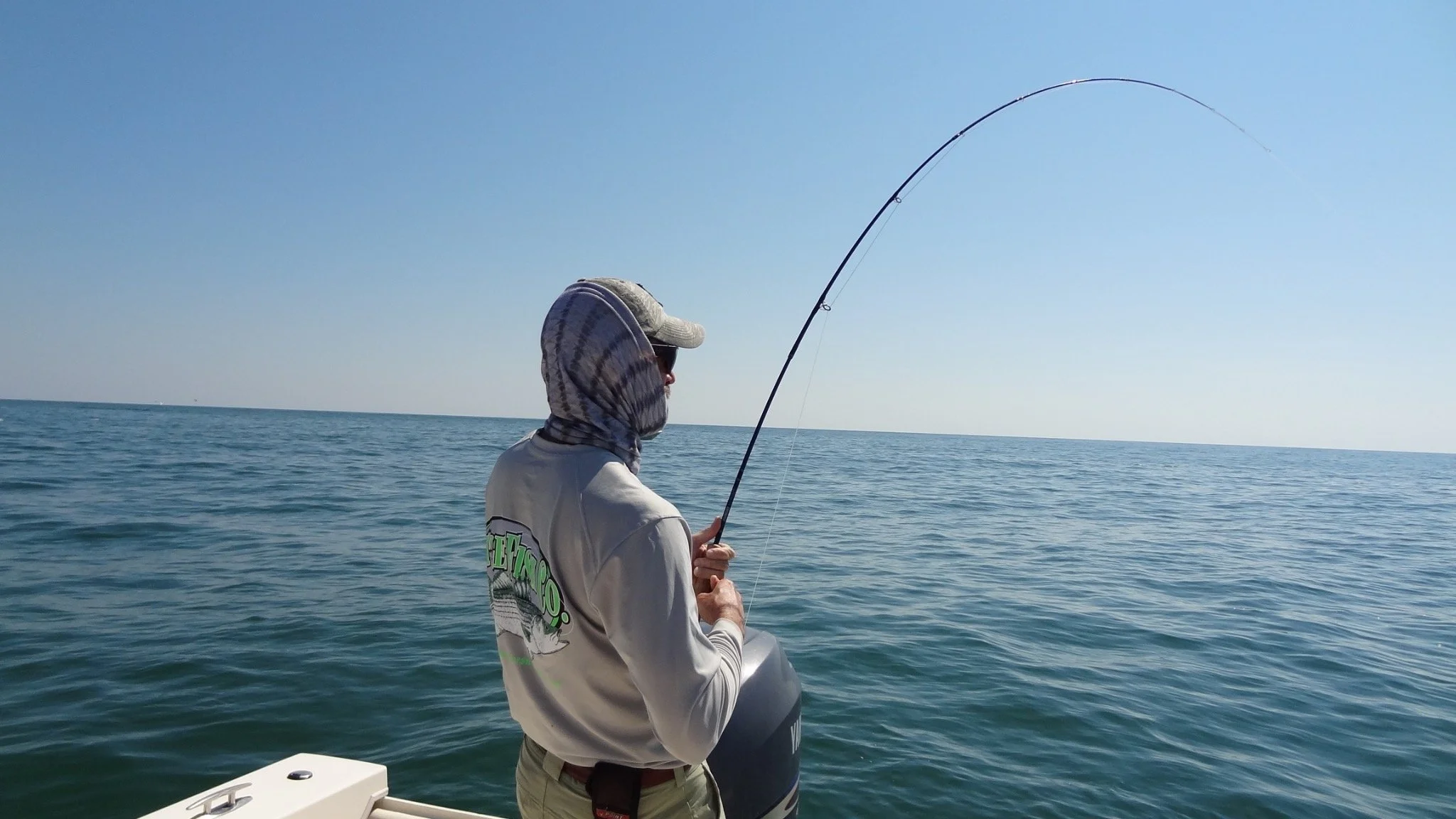
The reward for putting the presentation in the right place at the right time.
FIELD NOTE
Where you see albies is where they were. Cast to where they're going.
A surface eruption gives you information about the direction and speed of the school. Use it. Watch several feeds before charging in. A few seconds of observation can give you a much better casting opportunity.
Don't Become Fixated on the Froth
One of the most interesting things I've noticed about albie fishing is how completely anglers become focused on visibly erupting fish.
The water explodes and every boat turns toward it.
Every angler casts toward it.
But the erupting school isn't necessarily the only group of albies in the area.
There are often individual fish and smaller groups moving around the edges of the primary feed, searching for forage. You may never see these fish break the surface.
That's why I strongly encourage blind casting.
If I know I'm in an area holding bait and actively feeding albies, I continue fishing even when there isn't an obvious surface eruption in front of me.
Blind casting can be remarkably productive.
In fact, some of the best opportunities may occur between visible feeds, when other anglers have stopped casting and are simply waiting for the next explosion.
The absence of surface activity doesn't mean the albies have left.
Fish the Fringes of the Fleet
Another mistake I see repeatedly is the tendency to follow the pack of boats.
A school erupts.
Ten boats accelerate toward it.
The fish go down.
Everyone waits.
The school erupts somewhere else.
Ten boats accelerate again.
This pattern can continue for hours.
I prefer to avoid the center of the fleet whenever possible.
The concentration of boats, engine noise, propeller disturbance, and constant casting pressure can keep schools down and make already selective fish even more difficult to catch.
I've often found that fishing the fringes of the fleet is far more productive.
Better yet, don't be afraid to leave the pack entirely.
Look for birds away from the main group.
Watch for isolated bait.
Pay attention to current lines.
Blind cast in areas where you've seen fish moving.
Find your own water.
There have been many days when moving away from the fleet and finding a smaller, less pressured group of fish has increased our success exponentially.
FIELD NOTE
The biggest feed isn't always the best feed.
A smaller school of unpressured albies may provide far better fishing than a massive surface eruption surrounded by a dozen boats. Don't let the excitement of the fleet prevent you from looking for your own fish.
Watch How the Fish Are Feeding
Once I'm positioned near feeding fish, I try not to immediately decide how I'm going to retrieve the lure.
First, I watch.
Are the albies violently slashing through the bait?
Are they chasing individual baitfish?
Are they feeding in short, explosive bursts?
Or are they almost slurping bait from the surface?
These differences matter.
One of the most interesting situations occurs when the fish have pushed bait into a densely packed ball. The natural reaction of many anglers is to cast into the bait and retrieve as fast as possible.
Sometimes that's exactly what works.
But not always.
When the bait is tightly concentrated, I've had tremendous success doing almost the opposite.
I'll cast an Albie Snax directly into the bait ball, close the bail, and retrieve the lure as slowly as I possibly can.
The purpose of the retrieve isn't to make the lure race through the school. I'm simply reeling fast enough to maintain slight tension and contact with the lure.
It's remarkable how often the lure is picked up.
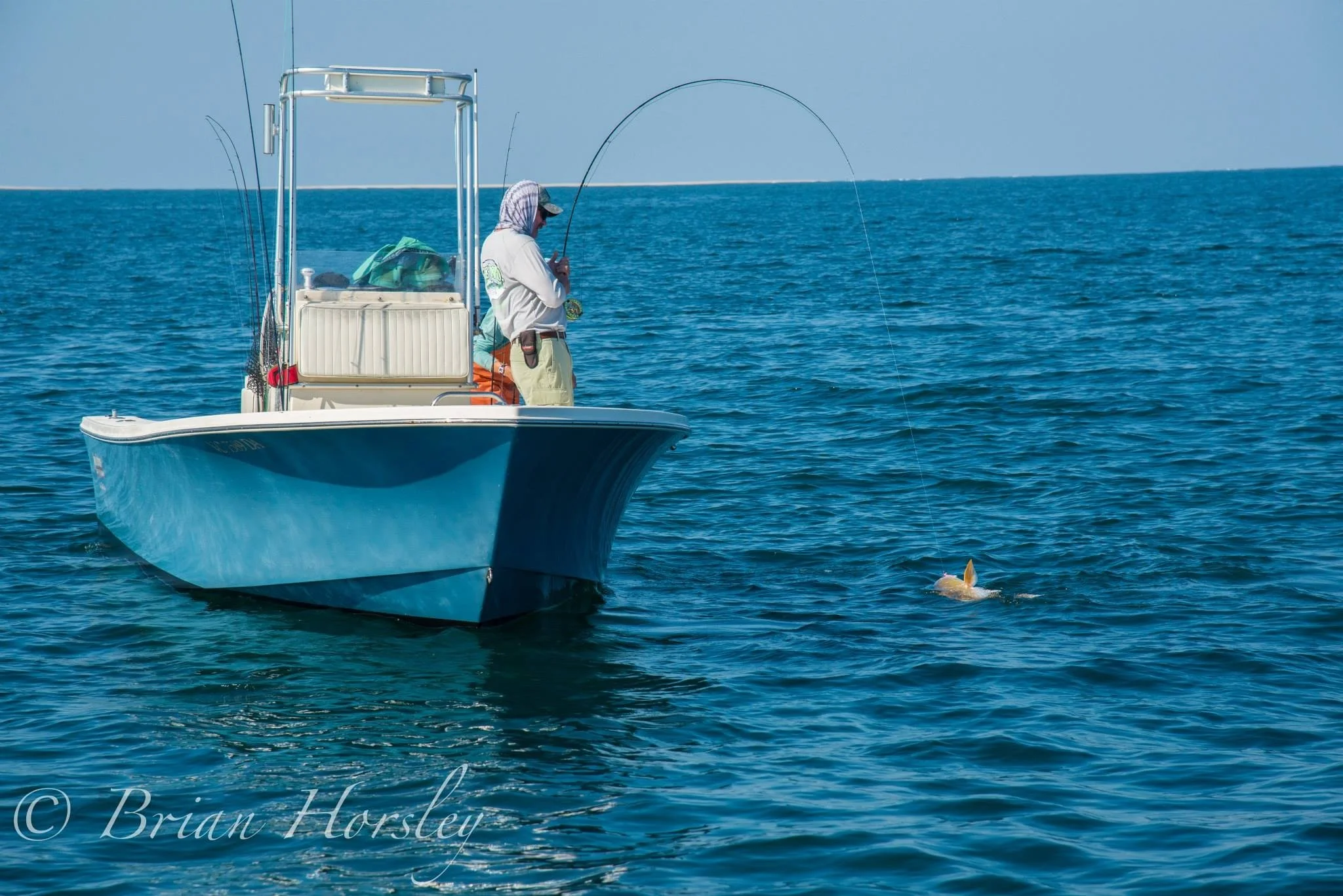
Once an albie commits, the question of whether the presentation worked is answered quickly.
I believe false albacore are opportunistic predators. When they're slashing through a densely packed bait school, some baitfish are injured, stunned, or temporarily disoriented.
A slowly sinking or nearly suspended soft plastic can imitate that vulnerable bait remarkably well.
The strike may not be dramatic at first.
The line simply comes tight.
Then the reel begins to scream.
Sometimes the Best Retrieve Is Almost No Retrieve
Albie fishing has long been associated with speed.
Cast far.
Point the rod.
Reel as fast as possible.
There are certainly days when a rapid retrieve is extremely effective. But I think many anglers make the mistake of assuming that false albacore always require a fast-moving lure.
They don't.
On difficult days, particularly when the fish are feeding selectively, I'll often try a dead drift or an extremely subtle twitch.
I want the lure to remain in the feeding zone and behave like a stunned or disoriented baitfish.
Sometimes I'll barely move the rod tip.
A slight twitch.
A pause.
Another small twitch.
Then nothing.
The temptation is to do more.
Often, doing less is the answer.
FIELD NOTE
Speed is a presentation—not a rule.
False albacore are fast fish, but that doesn't mean every lure has to move fast. When a rapid retrieve isn't producing, slow down. Then slow down again. Sometimes the lure that appears easiest to catch is the one an albie chooses to eat.
Wind Can Be Your Friend
I've noticed over the years that false albacore often seem easier to catch in windy, choppy conditions.
This isn't unique to albies. I've observed similar behavior with other tuna species.
When the surface is broken by wind and waves, the fish frequently appear to feed more aggressively. The disturbed surface may make it more difficult for them to closely inspect a lure, and the noise and movement of the water may also help conceal the boat and the angler.
On these days, you can sometimes get away with a more aggressive approach and presentation.
The opposite can be true on slick, calm days.
When the water looks like glass and there's hardly a ripple on the surface, albie fishing can become extraordinarily difficult.
The fish may still feed.
You may still see them.
But they often become much less forgiving.
These are the days when I increase the level of stealth.
I approach more carefully.
I pay closer attention to boat position.
I avoid unnecessary engine movement.
And I slow down my presentation.
A dead drift or a very subtle twitch can be remarkably effective under these conditions.
FIELD NOTE
The calmer the water, the quieter I try to become.
On slick days, everything seems magnified—the boat, engine noise, lure presentation, and angler movement. When the water gets quiet, I slow the entire process down.
If They Won't Eat, Change Color
If I'm confident in my boat position and presentation but still can't get tight, one of the next things I'll change is lure color.
I generally begin with three primary colors:
White or pearl.
Light amber.
Bubblegum.
White and pearl are dependable colors and closely resemble many of the small baitfish albies feed on.
Light amber can be extremely effective when the fish are focused on small, translucent forage.
Bubblegum is a color I've had tremendous confidence in for years. As I've written previously, it proved remarkably successful during my early experiences fishing around Cape Lookout in North Carolina.
If those primary colors aren't producing, I'm willing to experiment.
Smoke and silver can be effective.
And, on occasion, I'll even move to chartreuse.
The important lesson isn't that one color is always better than another.
It's that you have to be willing to change.
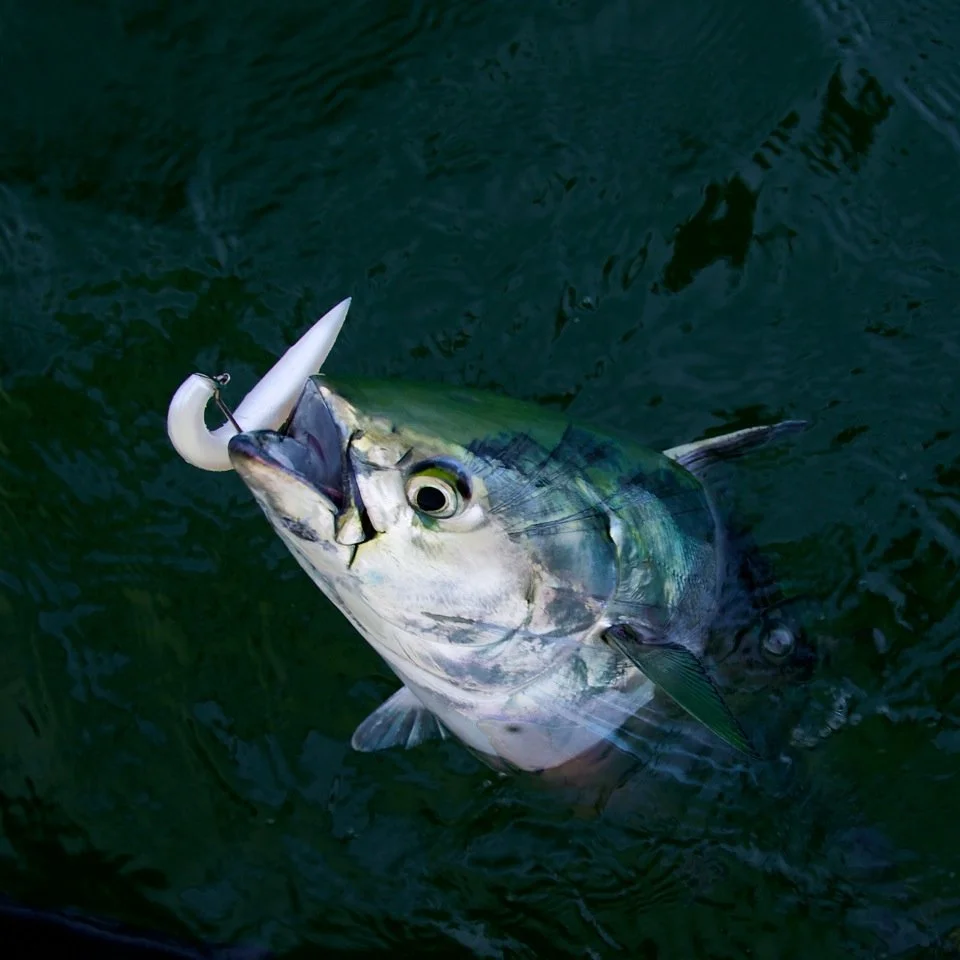
Sometimes the answer is not a more complicated presentation. It is simply giving the fish something they will eat.
Difficult Fish Require Better Anglers
I don't enjoy getting skunked any more than the next angler.
But some of my most valuable lessons in false albacore fishing have come on the days when the fish were difficult.
Those days force you to watch more carefully.
They force you to question your assumptions.
They force you to change.
If the fish aren't eating, don't simply make the same cast another 50 times.
Look at the school.
Watch the bait.
Think about the direction the fish are moving.
Listen to the conditions around you.
Consider the noise you're creating.
Change the retrieve.
Change the color.
Sometimes, stop retrieving almost completely.
False albacore are remarkably adaptable predators. To catch them consistently, I believe we have to become adaptable anglers.
The fish should dictate the presentation.
The fish are always teaching.
Our job is to pay attention.